
The Evolving Landscape of the Nigerian iGaming Market
I've watched Nigeria's iGaming market explode firsthand. The appetite for casino games and innovative slots is ravenous. Local brands now compete directly with international iGaming platform vendors. Year-on-year growth has exceeded 35% in recent reports, and the entire B2B sector is shifting to cater to this new powerhouse, making strategic B2B gaming solutions essential for success. For a premier example of a modern and unified casino platform, one can look at https://casinoplatform.com.ng/, a comprehensive iGaming software hub. Providers who ignore Nigerian localization and these advanced casino platform features do so at their peril. The opportunity here is massive, but it absolutely requires a tailored approach that respects local preferences and integrates seamlessly with regional payment providers.
Essential Components of a Modern Online Casino Platform
Modern B2B casino platform software is far more than a game lobby. After testing several backends, I’ve seen certain non-negotiable features separate the professional vendors from the amateurs. Here’s what actually matters for operators:
- A fully managed casino backend with real-time KYC and AML screening.
- Integrated casino payment providers supporting local methods like Paystack.
- A robust reporting dashboard detailing player retention and game performance.
- Native mobile SDKs for both Android and iOS branded apps.
- Marketing automation tools for bonus campaigns and personalized offers.
The most common mistake is prioritizing flashy themes over solid backend infrastructure. I always advise clients to scrutinize this core first. A well-chosen online casino software suite can reduce operational costs by up to 40%. The platform is the engine; everything else is just the paint.
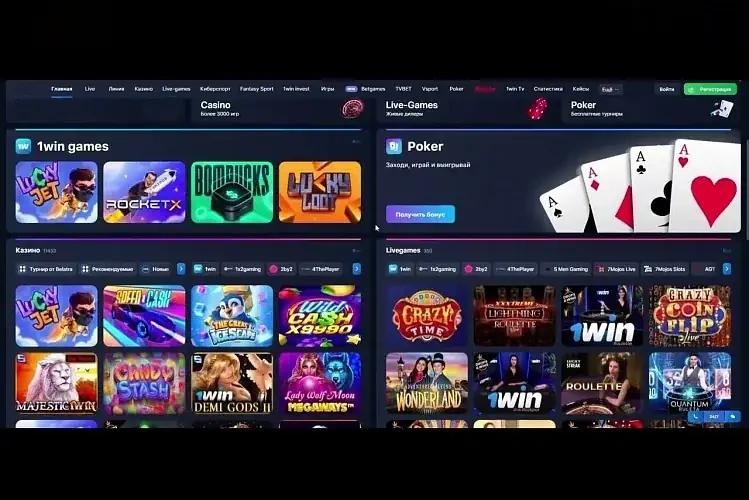
Key B2B Casino Software Providers: Features and Specializations
Choosing the right gaming software vendor is a strategic, not just technical, decision. I've negotiated deals with many of them, and their focus areas vary dramatically.
| Brand | Key Specialization | Price Range | My Verdict |
|---|---|---|---|
| SOFTSWISS | Turnkey crypto & fiat platform | €15k – €50k+ setup | Best for hybrid payment models |
| Pronet Gaming | Localized sportsbook-first platform | $12k/month + rev share | Top pick for African sports betting |
| BetConstruct | Extensive live dealer & tournament tools | Custom enterprise quotes | Powerful, but complex and expensive |
Don't just buy a name. A "one-size-fits-all" iGaming software provider rarely exists. Most serious vendor contracts now include a 30-day integration pilot period. I always insist on it. This lets you test their casino backend software under real load, not just in a demo environment.
A Comparison of Leading Slot Providers: BGaming vs. NetEnt
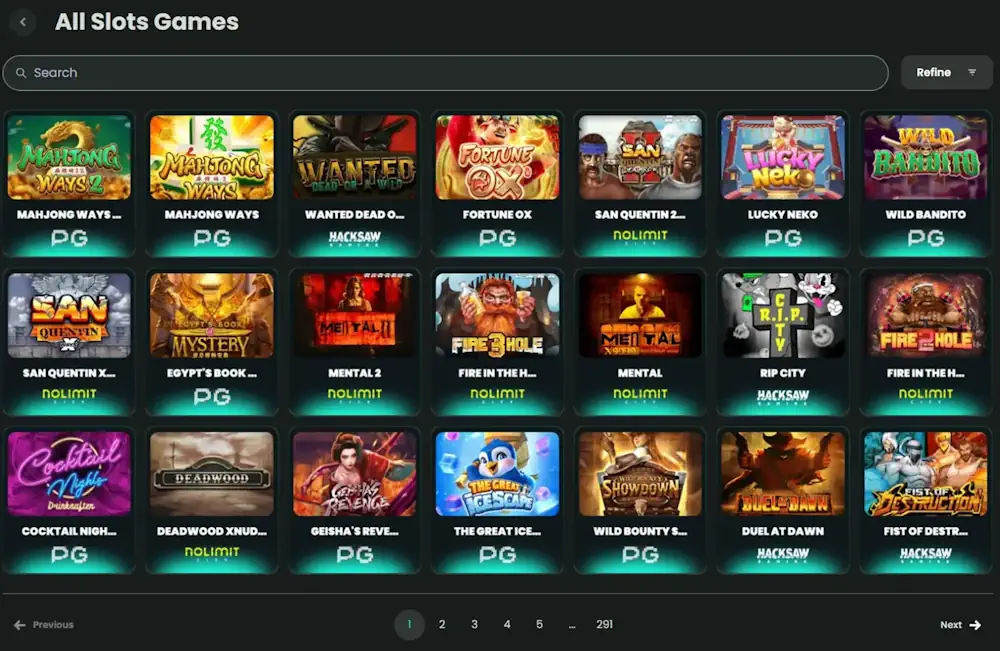
For slot game content, brand matters. Players recognize and seek out certain providers. I've seen casino game providers like BGaming and NetEnt drive vastly different player demographics. BGaming’s focus is on volatile, feature-packed games like "Bonanza Billion," while NetEnt leans towards cinematic, lower-volatility hits like "Starburst."
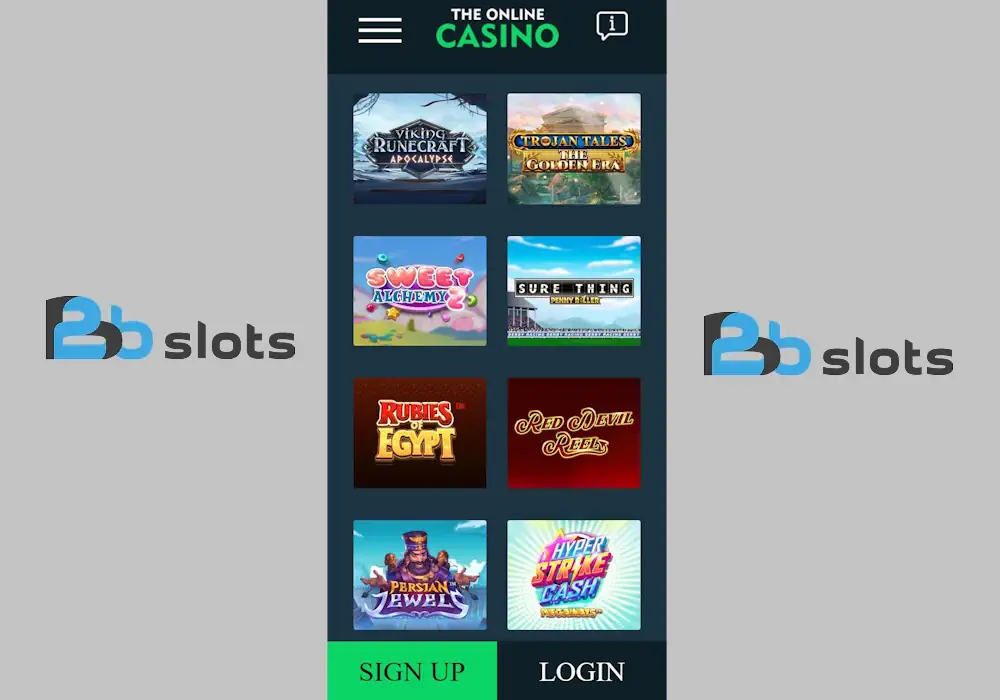
The choice isn't just about graphics; it's about player retention. BGaming's high-volatility slots keep thrill-seekers spinning for hours, while NetEnt's polished classics offer safe, reliable entertainment for a wider audience.
NetEnt slots typically command a 5-8% higher revenue share fee than most independent providers like BGaming. You’re paying for a brand that’s proven to attract and retain a mainstream player base, which can be worth every cent.
Integrating Slot Content into a Unified Casino Platform
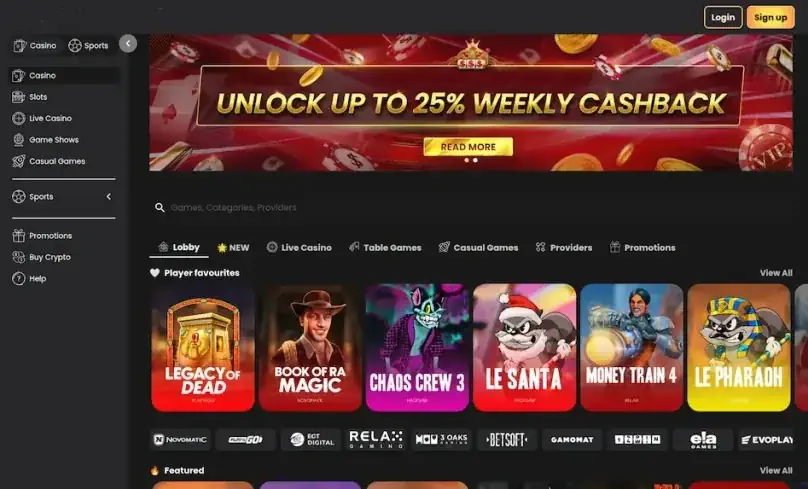
Integration is where many operators’ plans stumble. You can’t just sign a contract with a slot provider and flick a switch. Each game studio uses a different API and content delivery system. I recommend using a unified casino platform with a pre-integrated games aggregator. This gives you a single technical connection to hundreds of B2B slot providers. A good aggregator reduces the time to launch new slot games from months to under two weeks. You avoid the technical debt of managing dozens of separate game supplier integrations, which is a full-time job in itself. Focus on your players, not your API logs.
Navigating Vendor Selection and Gaming Contracts for Operators
Negotiating gaming contracts is a minefield. I've learned to scrutinize these three areas in every agreement:
- Minimum Guarantee clauses: often hidden as yearly revenue commitments.
- Exclusivity terms that lock you to one provider per game type.
- Change of Control clauses affecting ownership or company sale.
- Intellectual Property rights over your player data and brand.
- Service Level Agreements for platform uptime and support response.
Always get a legal advisor who understands iGaming. A standard "revenue share" deal can hide effective fees of 30-40% on gross gaming revenue. The headline rate is just the start. Your core provider partnerships will dictate your platform’s flexibility and profitability for years, so don't rush.
Payment Solutions and Operational Support for Casinos
If players can't deposit easily, nothing else matters. The right casino payment providers are as crucial as the games. In Nigeria, you need a mix of international and hyper-local options.
| Provider Type | Example | Typical Fee | My Note |
|---|---|---|---|
| Global Card Processor | Mastercard for casinos via Nuvei | 2.9% + $0.30 | Essential for international players |
| Local Bank Transfer | Paystack integration | 1.5% + ₦100 | Non-negotiable for Nigerian market |
| Mobile Money | MTN Momo | 3.5% flat | High fee, but massive user base |
| Cryptocurrency | Binance Pay | < 1% | Growing niche, low-cost option |
Diversifying across 4-6 payment methods is standard for a stable casino operation. Never rely on a single gateway. I've seen entire operations freeze for days when one provider's API goes down. Redundancy is key.
Building a Scalable B2B iGaming Platform for Market Success
Scale isn't just about handling more users; it's about seamless expansion into new markets and products. Your initial choice of iGaming technology should allow you to add sports betting, live dealer, or even a lottery vertical without a full platform rebuild. I advise selecting a modular B2B casino solution with a microservices architecture. This lets you swap out payment or game providers without disrupting the entire system. Platforms designed for scale can reduce your cost per new player acquisition by over 60% as you grow. Invest in flexible infrastructure from day one, even if it costs slightly more upfront. It's the only way to win in a fast-moving market like Nigeria.
FAQ
What's the biggest mistake when choosing a casino software provider?
Focusing only on flashy game lobbies. A weak backend costs 40% more to operate. Scrutinize reporting tools and payment integrations first.
How many payment providers do I realistically need?
Start with 4-6 diversified methods. Include local bank transfers like Paystack plus a global card processor. This provides redundancy if one fails.
Why choose NetEnt slots over newer providers?
Their brand attracts mainstream players. While they cost 5-8% more in revenue share, they reliably drive player retention and trust.
Should I use a game aggregator?
Yes, for most operators. It cuts the time to launch new slots from months to under two weeks via a single technical connection.
What's the key contract clause to watch for?
Minimum Guarantee clauses. They often commit you to high yearly revenue targets. Hidden fees can push effective rates to 30-40% of GGR.
Is a modular platform architecture worth the extra cost?
Absolutely. It lets you add new products like sports betting seamlessly. This reduces future player acquisition costs by over 60% as you scale.